BCCI Secretary Devajit Saikia has confirmed that India will name its squad for the two-Test tour of Sri Lanka by Tuesday, 28 July 2026, with a wider performance review of the recent white-ball tours of Ireland, England and Zimbabwe scheduled for early August.
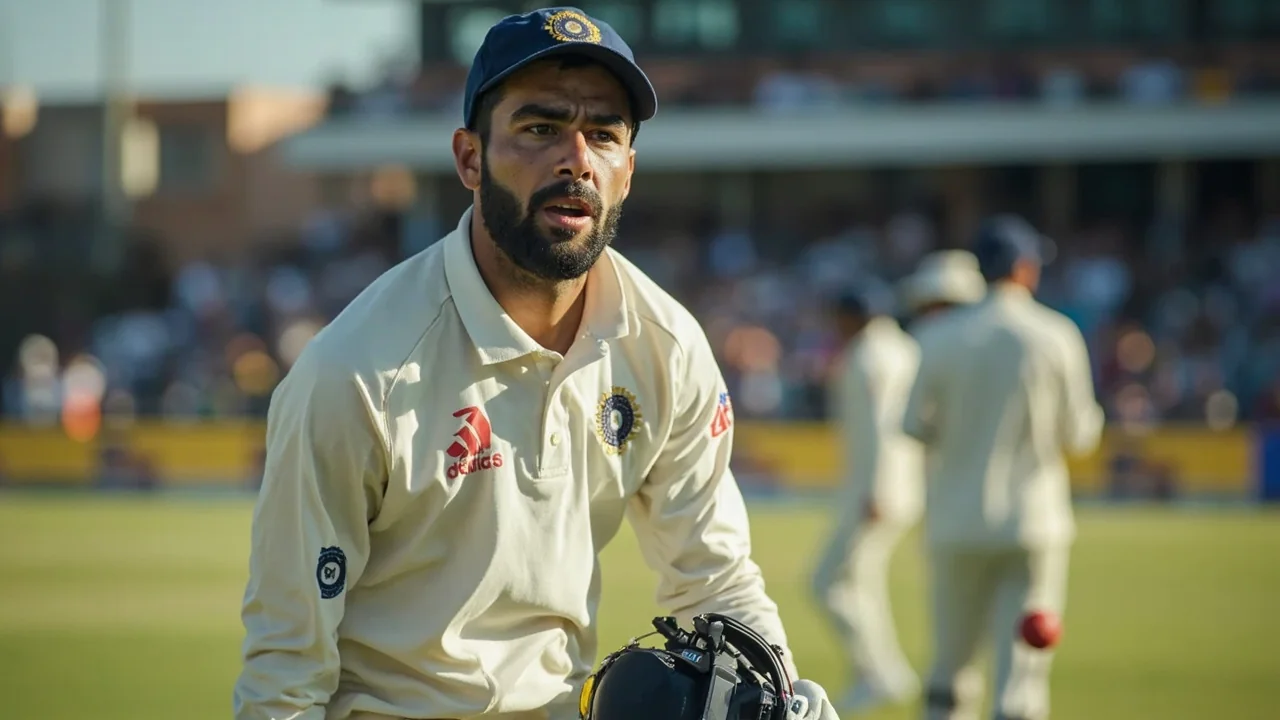
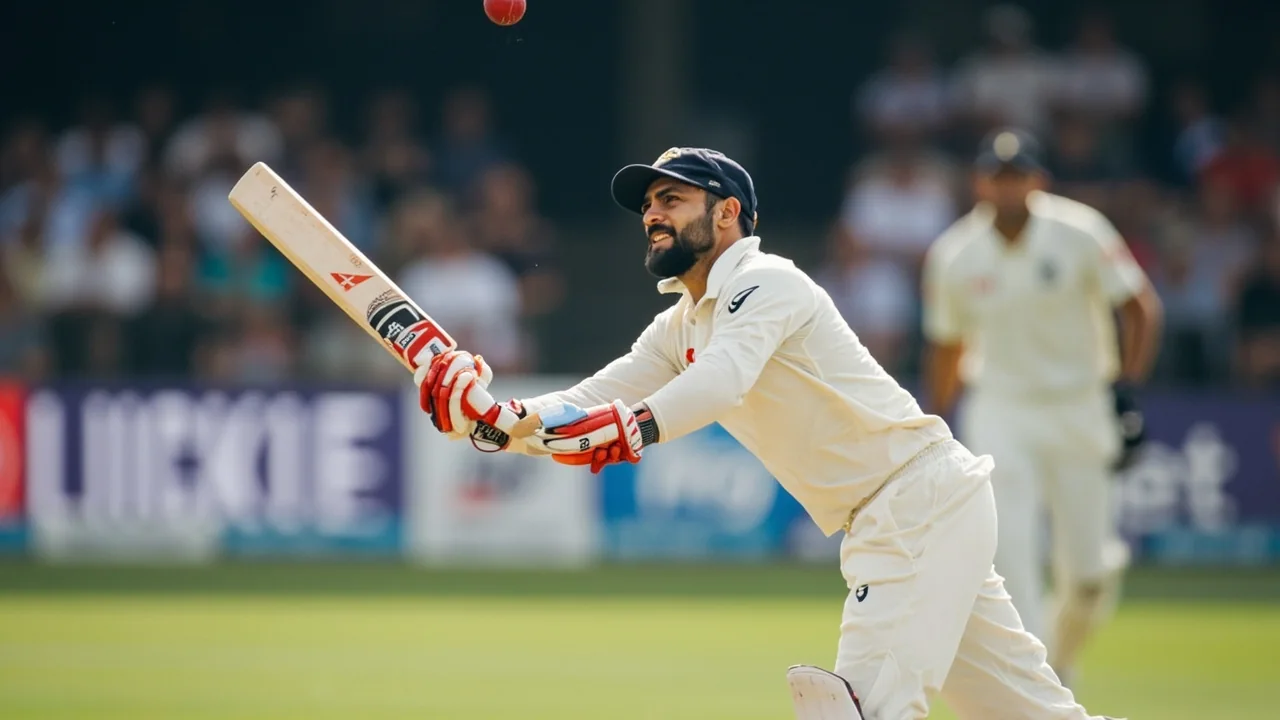
The Board of Control for Cricket in India (BCCI) will name the squad for India's two-Test tour of Sri Lanka by Tuesday, 28 July 2026, the board's Secretary Devajit Saikia has confirmed. The announcement arrives on the back of a packed white-ball summer for India across Ireland, England and Zimbabwe, and ahead of a trip that doubles as part of the 2025-27 ICC World Test Championship cycle.
Speaking about the squad timetable, Saikia indicated that the selection committee would meet on or before Tuesday to finalise the red-ball party. The reveal, scheduled to land three weeks before the first Test begins, gives the support staff, broadcasters and the Indian fan base a clean window to track workload, injury updates and selection conversations before the players assemble.
The two-Test contest sits inside the ongoing ICC World Test Championship (WTC) 2025-27 cycle. India's away points in Sri Lanka matter not just for the series result but for the percentage-of-points-won ledger that decides the WTC final berth in 2027. Even a drawn series overseas can shift the table when other contenders are contesting conditions at home.
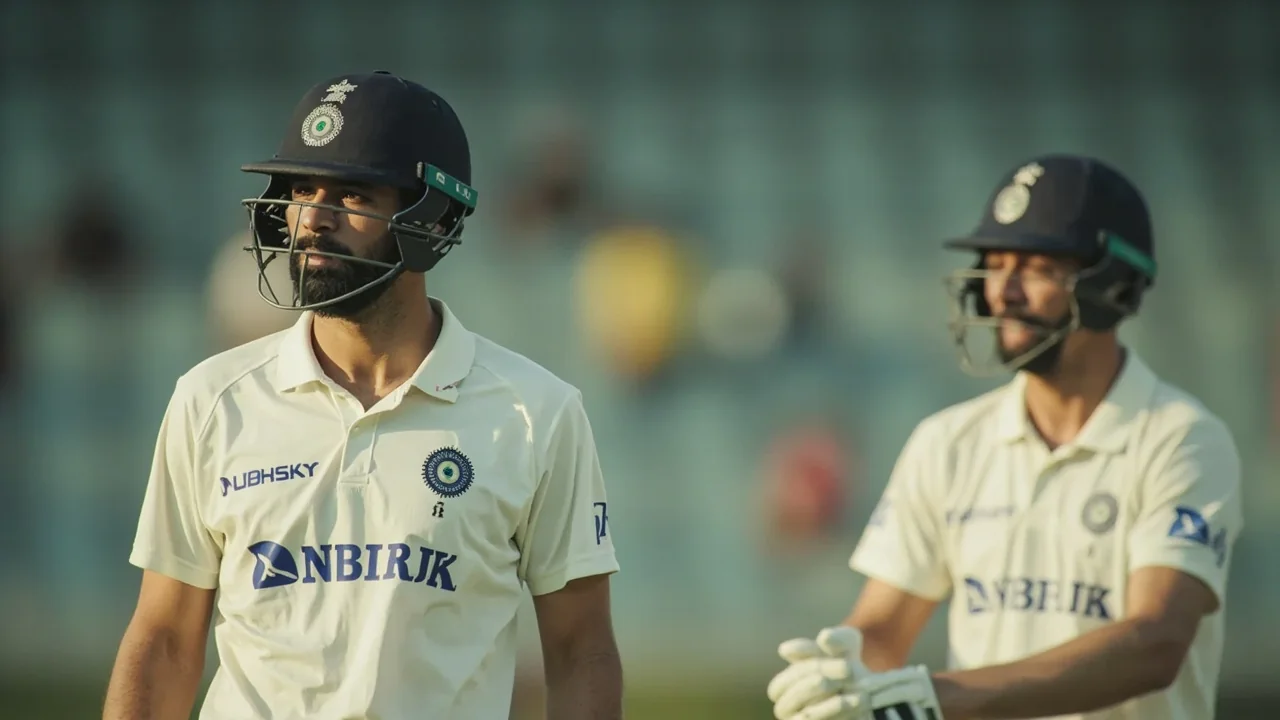
The first Test is scheduled for 15-19 August 2026 at the Galle International Stadium, with a 10:00 AM IST start. The second runs from 23-27 August 2026 at the Singhalese Sports Club in Colombo, again starting at 10:00 AM IST. Both venues are familiar to Indian cricket, although the conditions, particularly the dry spin-friendly surfaces at Galle, always demand specific squad planning.
India's white-ball commitments have stretched almost continuously through the back end of June and the first three weeks of July. The side failed to register a win in the two T20Is played in Ireland on 26 and 28 June 2026, then lost the England T20I series 4-0 — with one match abandoned — before the ODI series in England ended 2-1 in the hosts' favour during the 1-19 July tour window. The longer-format squad call, by contrast, gives the management a moment to step back from the white-ball churn and reset.
There is a second reason the announcement has nudged past the usual seven-day pre-series mark. The BCCI has scheduled an early-August review of the white-ball tours, including the work of the assistant coaches and the support personnel who travelled with the side to Ireland, England and Zimbabwe. The review will address the winless Ireland trip, the 4-0 T20I loss and the 1-2 ODI setback in England, alongside the brighter signals from the just-begun Zimbabwe series, which India opened with a win on 23 July 2026 to lead 1-0.
The BCCI review is not a sacking announcement. It is a structured post-tour audit that has become standard practice after back-to-back overseas assignments. The Terms of Reference, as outlined by Saikia, will look at three broad themes: how the head coach and support staff managed workload and rotation across four cities in twenty-two days, how the batting unit adapted to seaming English conditions in the ODIs, and how the bowling group reshaped itself when the wickets became flatter in the latter ODIs and the early T20Is in Zimbabwe.
The review will also look at the structure of the assistant coach and support personnel roster. With the T20 World Cup cycle already running in parallel, the BCCI's preference is usually to let the post-tour review settle before any role changes are confirmed. As a result, any personnel calls are most likely to land after the early-August meeting rather than on the same day as the squad announcement.
The temptation after a 2-1 ODI loss is to assume the entire white-ball structure needs a rebuild. The cleaner read is to separate the formats and the opponents. The Ireland T20Is were a low-stakes assignment used to blood specific players and trial combinations; the result there should be read as information on those specific players, not on the side as a whole. The England series, by contrast, was a full-strength away contest against a settled side gearing up for the 2026 T20 World Cup, and the whitewash there carries more weight.
The India side bounced back with a win on the first T20I in Zimbabwe on 23 July 2026, the first fixture of a three-match series. Leading the series 1-0 at the time of writing, the side has at least a small swing of momentum to carry into the early-August review. A 2-1 or 3-0 finish in Zimbabwe would give the selectors a different baseline to argue from than a 1-2 finish would.
Three questions will hover over the squad list when it is released. First, the pace-bowling combination: with the India seam attack rotating across the white-ball tours, the management will need to decide whether the same group walks straight into the Test XI or whether the red-ball specialists are rotated back in. Second, the spin-bowling all-rounder slot: a Galle surface typically demands at least two frontline spinners, and the squad will need to carry one extra spinning option in case of workload. Third, the opening combination: India's red-ball openers have been a moving story through the last eighteen months, and the Test tour is the natural place to settle the pair.
Selectors will also need to decide on the wicketkeeper-batter slot. The white-ball tours used the same wicketkeeper across formats, but the red-ball side has a longer history of format-specific picks. The squad size for a two-Test series, traditionally fifteen plus one or two net bowlers, will shape the selection debate as much as the players themselves.
The Galle Test is the first red-ball fixture of India's August-to-January workload. The result rarely tells the whole story — the surface deteriorates and the fourth-innings chase is the most demanding part of the match — but the spinner's role, the lower-order batting depth and the captain's field placements all become auditable from the first session. A settled side that wins the first Test typically goes into the second Test with clearer selection options and a calmer dressing room.
The Colombo Test at the Singhalese Sports Club then offers a different surface, usually with a touch more carry for the fast bowlers and a wider range of scoring strokes through the line. The team that adapts the quickest between the two Tests tends to win the series, regardless of which side starts favourites.
The next fixed marker on the calendar is the squad announcement itself on or before Tuesday, 28 July 2026. The early-August BCCI review of the white-ball tours will follow within ten days, and India's T20I series against Zimbabwe will conclude in the same window. The first ball of the Galle Test on 15 August 2026 then closes the gap between the announcement and the actual cricket, and the selectorial questions get answered on the field rather than in the press conference.
For those tracking the squad, the cleanest read is to wait for the formal list on Tuesday, treat the white-ball review as a separate exercise rather than a referendum on the red-ball plan, and watch the second Test at the Singhalese Sports Club for the actual answer to most of the questions the squad announcement will raise.
For more cricket news, fantasy cricket analysis and the latest squad updates from the SpartanPoker news desk, see the Cricket News updates page for the full archive.
Quick context on the India squad announcement, the BCCI white-ball review and the two-Test series dates.
Cricket news, squad updates and fantasy analysis from the SpartanPoker news desk — fresh every week.
