Former India batter Sadagoppan Ramesh says Chennai Super Kings should resist any IPL 2027 trade that sends Shivam Dube, Ayush Mhatre or Dewald Brevis to Mumbai Indians in exchange for Hardik Pandya, and should reject the idea of handing Pandya the captaincy if he does arrive.
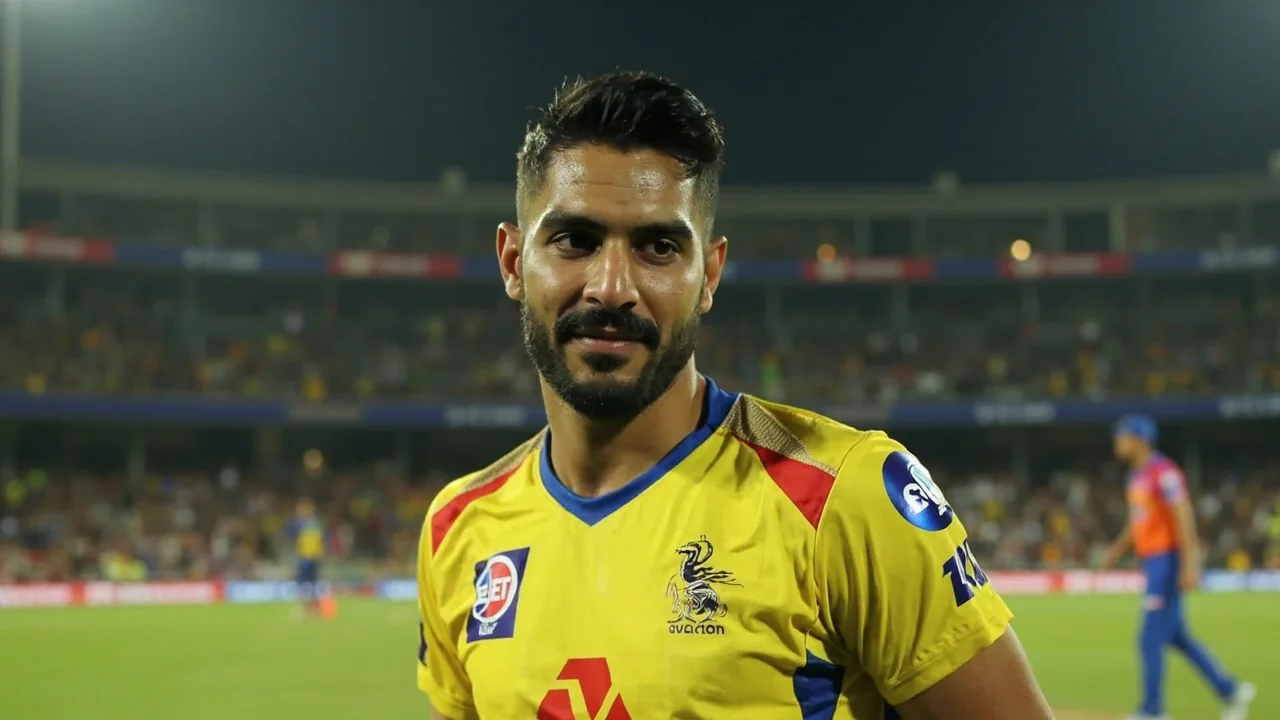
Chennai Super Kings have spent the last two months watching trade chatter, not winning matches, and former India batter Sadagoppan Ramesh has now waded into the IPL 2027 conversation with a pointed message for the franchise. On his YouTube channel, Ramesh argued that CSK should not give up Shivam Dube, Ayush Mhatre or Dewald Brevis in any deal to bring Hardik Pandya from Mumbai Indians, and that the franchise should also resist any push to make Pandya the captain if the trade does go through. The remarks, summarised on Cricket Addictor, are the clearest external voice yet against a swap that has been discussed in bits and pieces since the IPL 2026 season ended with Mumbai Indians finishing ninth and out of the playoffs.
Ramesh's argument is built on three concrete observations. The first is that CSK have spent years assembling a young core of batters who bat through the middle overs and bowl a few overs of seam or spin, and giving up any of them weakens that depth. The second is that Pandya, while still a high-impact all-rounder in Indian cricket, is no longer the same force he was when he captained Gujarat Titans to the 2022 IPL title. The third is that a captaincy switch on top of a player swap would amount to two big changes in the same off-season, and that is rarely a clean way to fix a side that has missed the playoffs twice in a row.
The trade speculation has been the most-talked-about IPL 2027 rumour in the second half of July. Reports across Indian sports desks have floated a deal that would send Pandya back to a second franchise stint, with CSK mentioned as the most likely destination because of an obvious fit in the middle order and the long-standing connection between the franchise and the Pandya profile. CSK have not confirmed anything, and Mumbai Indians have not publicly shopped Pandya. Ramesh's comments sit on top of that unconfirmed noise and effectively push the franchise to walk away from it.
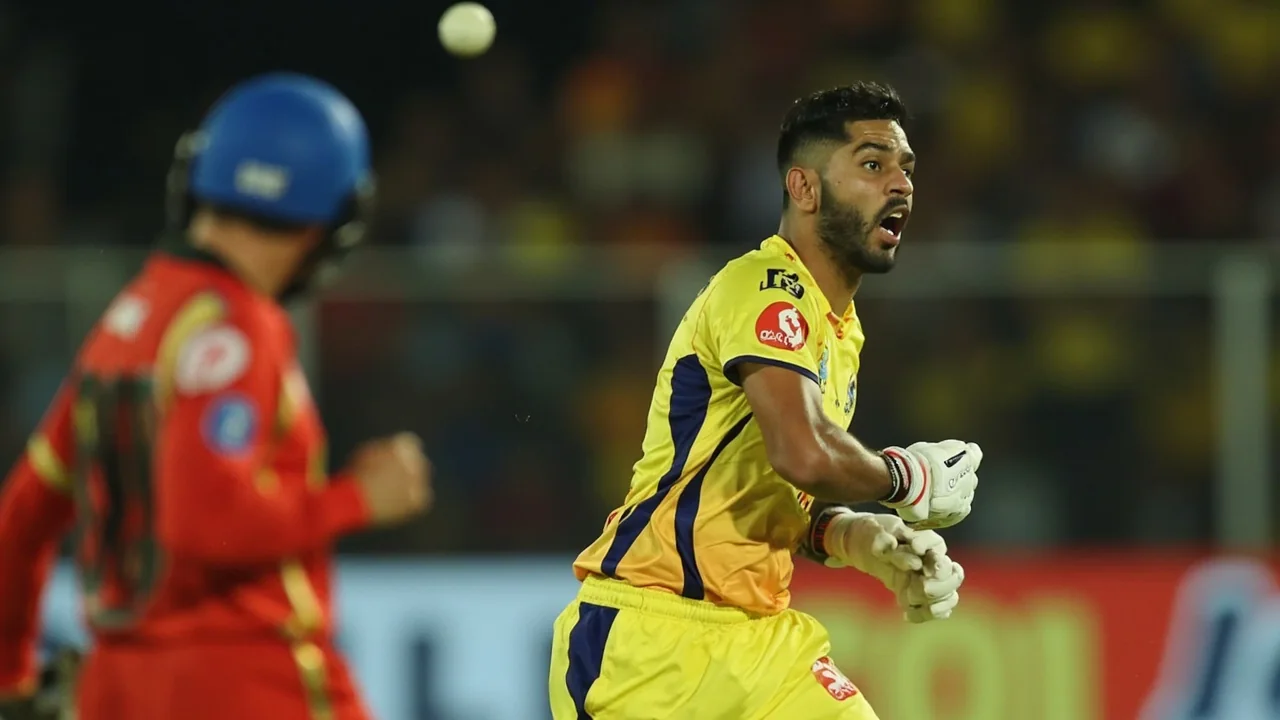
Ramesh's central point was that CSK need proven players, not a rebuild, and that the names mentioned in the rumour are exactly the kind of proven Indian talent that a serious CSK side should not be giving away. Dube has been one of the franchise's most reliable middle-order anchors over the last two seasons, Mhatre is the young wicketkeeper-batter they have invested in for the long cycle, and Brevis is the overseas batting X-factor who can take a slow Chepauk surface apart on his day. Ramesh argued, in effect, that all three are players CSK would rather build around than trade away.
The more pointed half of Ramesh's argument was about captaincy. CSK have been operating with a leadership transition since MS Dhoni stepped away from the long-form leadership, and the franchise has tried several combinations in the middle of the last two seasons. Ramesh's view is straightforward: Pandya the player is one thing, Pandya the captain is another, and the two should not be bundled together. The framing matters because the trade rumour has been accompanied, in some versions, by the assumption that Pandya would take over the captaincy almost automatically. Ramesh is saying that assumption should be rejected out of hand.
The evidence he leaned on was the IPL 2026 record. Mumbai Indians finished ninth in the ten-team table and missed the playoffs. Pandya bowled 22 overs across 10 matches in the season, and Ramesh argued that this is a sign of underuse, both of his own bowling and of his batting position. A captain who is not bowling his full four overs and is not batting at his preferred slot is, in Ramesh's read, a captain whose on-field decisions are harder to defend, because his own role is not being maximised. CSK, on this logic, would inherit both the player and a structural problem with him.
It is worth holding the CSK view against what Mumbai Indians actually got out of Pandya across his time back at the franchise. Pandya had originally led Gujarat Titans to the 2022 IPL title before returning to Mumbai Indians in 2024. In 2025, he led MI to the playoffs and a Qualifier 2 defeat to Punjab Kings. That single line of results is a more flattering picture than IPL 2026, when the side dropped to ninth and the bowling and batting usage both came in for criticism. Ramesh's argument is essentially that the 2025 version of Pandya was a peak that has already been priced in, and that the 2026 version is the more relevant one for any CSK trade conversation.
There is also a practical point that sits behind the rumour. Mumbai Indians' squad for IPL 2026 was built around the assumption that Pandya would bowl his full four overs and bat in the top six. When he did not, the role of the rest of the side shifted, and the bowling unit in particular lost the over-by-over balance the franchise has traditionally relied on. CSK, who play on a slower Chepauk surface and have a different pace-spin mix, would face a different but related question: where does Pandya the bowler fit, and what does the side lose by reshuffling around him.
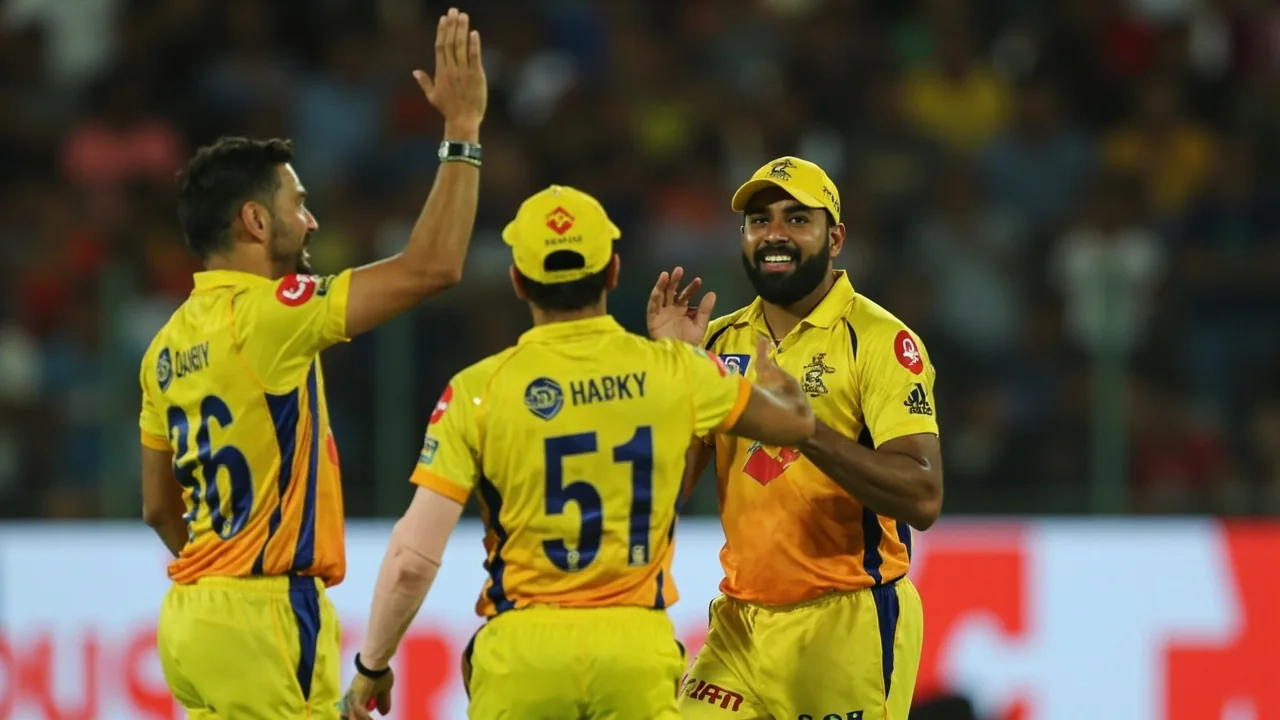
Shivam Dube is the easiest player to assess. He is a left-handed middle-order batter who bowls seam-up medium pace, and he has been a consistent points source for fantasy cricket users over the last three IPL seasons. For CSK specifically, he has slotted into the role that has been a problem since the last full-strength Dhoni season, and giving him up means finding another middle-order batter who can also contribute overs. There is no obvious in-house replacement, and the trade window does not usually offer that profile cheaply.
Ayush Mhatre is a different kind of asset. He is a young wicketkeeper-batter with a high ceiling, and his IPL 2026 audition showed flashes of the kind of finishing and glovework CSK have needed behind the stumps. Trading a young Indian keeper for a senior Indian all-rounder is the kind of move that can only be justified if the franchise is convinced the all-rounder will be available for ten seasons. Ramesh's argument is that the franchise should not make that bet on the back of one rumour, and the IPL 2026 usage numbers he cited make the bet harder to defend.
Dewald Brevis is the wildcard. He is the kind of overseas batter who can win a slow-pitch game by himself, and he has done exactly that in flashes over his time at CSK. Trading Brevis means giving up the only overseas slot in the XI that is dedicated to batting aggression. Any swap that brings in Pandya still needs a fifth overseas option for either an extra batter or a bowler, and the rumour does not appear to resolve that. Ramesh's framing, fairly read, is that CSK would be giving up depth on three separate fronts for one name.
The trade rumour, taken together with Ramesh's pushback, gives a clear early read on how IPL 2027 is shaping up before the retention window has even opened. Mumbai Indians are openly considering whether to reset around Pandya, with the 2026 season's ninth-place finish as the trigger. CSK are openly considering whether to take a swing at Pandya to break a leadership transition that has run for two seasons. Neither side has made a move, and the rumour itself has not produced a single confirmed player transfer.
The two-month run-up to the retention window will determine whether the rumour crystallises into a real deal. CSK's eventual call will hinge on three questions. First, can they find a way to bring Pandya in without giving up Dube, Mhatre or Brevis. Second, can they identify a captain who is independent of the trade, so that the Pandya question is a player question and not a leadership question. Third, are they convinced that Pandya will bowl his full four overs and bat at No. 4 in the Chepauk context, or are they willing to take a partial-fit version of him. Ramesh's comments, read in that order, are a public argument that none of the three questions has a clean yes.
The cleanest near-term marker is the IPL 2027 retention window itself. Both Mumbai Indians and Chennai Super Kings have to file their retention lists before the trading window opens, and a Pandya-CSK trade can only be built on top of those retentions. If CSK retain Dube, Mhatre and Brevis without naming Pandya, the rumour effectively dies for this cycle. If Mumbai Indians retain Pandya without naming any swap partner, the rumour also slows down. Any other combination, particularly one where either side leaves a key name out of the retention list, will keep the conversation alive through August and into the early-September window.
The second marker is what the BCCI does with the IPL 2027 schedule announcement. A short, compressed season would push franchises toward continuity and reduce the appetite for a multi-player trade. A longer season, with more off-days between matches, would give a trade target like Pandya more room to settle into a new side. The full IPL 2027 calendar is the second concrete signal, and the first concrete signal that will tell readers whether this rumour is heading toward a real deal or simply the loudest off-season story of August 2026. For fantasy cricket users tracking the IPL 2027 squad rebuild at every franchise, the full coverage of IPL team news, squad analysis and trade rumours will keep updating as the picture sharpens over the next two windows.
Ramesh, for his part, has done the simple thing that a former India batter can do in this market. He has put a public stake in the ground against a rumour that has been moving without any official confirmation from either franchise. Whether the rumour survives the retention window is now a question for the two teams and the BCCI, not for the rumour itself. Ramesh's contribution is to keep the discussion honest about what Pandya's 2026 numbers actually mean, and what trading three CSK names would actually cost.
Quick context on the CSK-Pandya IPL 2027 trade speculation and Sadagoppan Ramesh's pushback.
Retention lists, trade rumours, confirmed deals and fantasy impact — fresh from the SpartanPoker desk.
